Buy Children'S Pottery Wheel Explained: A UK Buyer's Guide
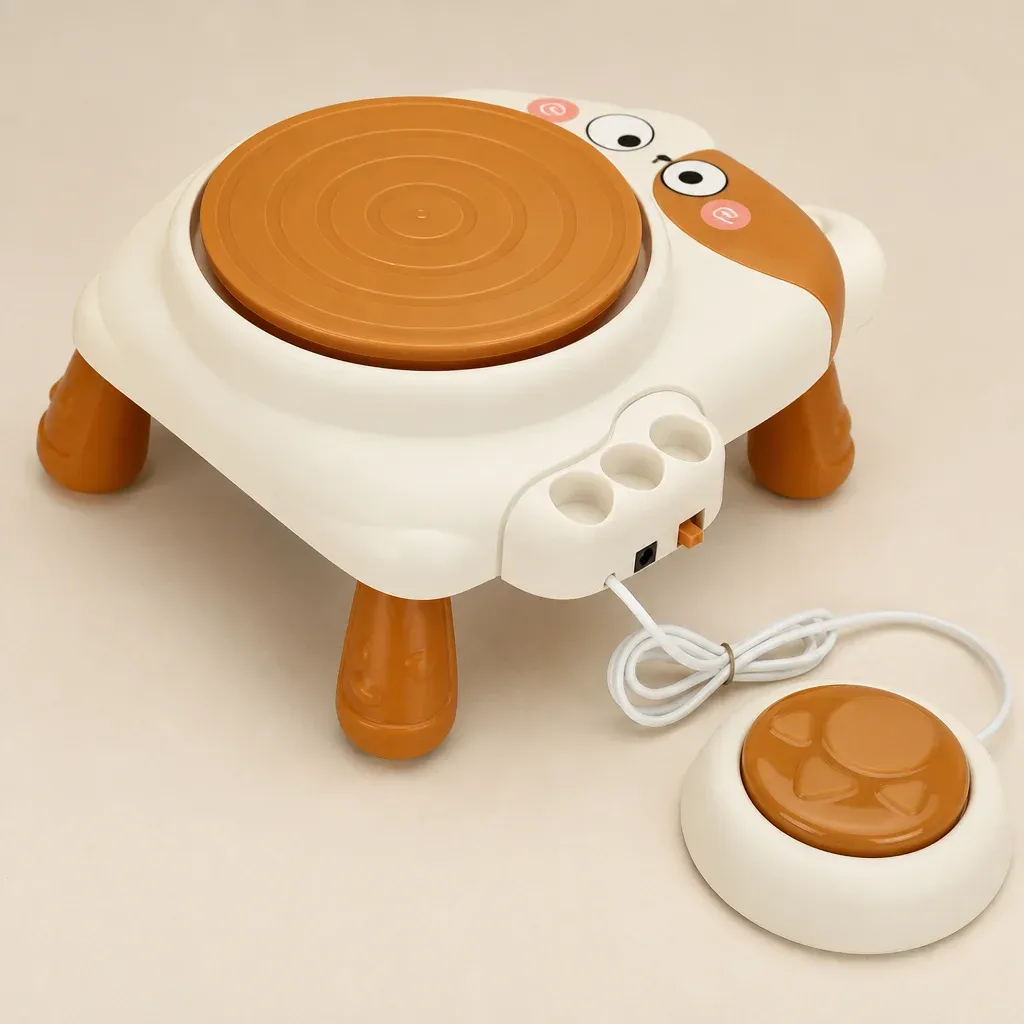
TL;DR: To buy a children's pottery wheel that actually works, choose a high-torque electric model with UKCA/EN71 safety certification, variable speed control, and smooth air-dry clay. Cheap battery-operated toys often stall under centring pressure. At Naxud Studio, our testing proves that proper motor power and removable splash trays ensure a mess-free, rewarding experience for ages 6–12.
Key Takeaways for UK Parents
- Motor Torque Matters Most: Conventional battery-operated toy wheels stall when children apply centring pressure. A high-torque electric motor is essential for actual clay shaping.
- Zero-Kiln Convenience: Modern children's pottery sets use premium air-dry stoneware clay, eliminating the need for expensive ceramic studio kilns or high-temperature baking.
- Safety Compliance: According to UK safety regulations, ensure any wheel purchased carries verified UKCA and EN71 safety certifications, guaranteeing non-toxic clays and low-voltage electrical safety.
- Age Suitability (6–12 Years): Look for variable speed controls and foot pedal options to match the fine motor capabilities of primary and early secondary school children.
- Complete Kit Value: Integrated splash trays, sculpting tools, and acrylic paint sets prevent mess and provide everything required for immediate crafting.
If you want to buy a children's pottery wheel in the UK, selecting a model with a high-torque electric motor, certified UKCA/EN71 safety features, and premium air-dry clay is the key to preventing common motor-stall frustrations. Selecting an engaging creative craft for young artists often leads parents straight to pottery, as it provides a tactile, three-dimensional sculpting experience that screen-based entertainment simply cannot match. However, searching online to buy a children's pottery wheel brings up hundreds of starkly different options—ranging from cheap plastic novelty toys to scaled-down studio machinery.
Based on our testing at Naxud Studio, the single most common disappointment parents experience with entry-level craft sets is motor stall: the moment a child presses wet clay to centre it, the turntable grinds to a complete halt. Consequently, this comprehensive UK buyer's guide breaks down the critical engineering features, safety standards, and practical clay requirements you must evaluate before making a purchase. Whether you are buying for a beginner aged 6 or a developing young artist aged 12, this guide ensures your investment yields proud handmade pots rather than frustration.
Do Toy Pottery Wheels Actually Work? Motor Torque vs Speed
Understanding the mechanics of a pottery wheel explains why so many budget toy kits end up unused at the back of a cupboard. Throwing clay requires continuous rotational force while friction is applied by human hands. In physics terms, this requires continuous rotational torque.
Why Do Cheap Toy Pottery Wheels Keep Stalling?
When a child places a wet lump of clay onto a revolving turntable and presses inward to centre it, they create substantial surface friction. Cheap battery-powered toy wheels rely on low-voltage DC motors designed for small toys. Consequently, these motors lack the torque required to overcome friction. As soon as a child exerts downward or lateral pressure, the wheel stops turning, leaving the clay distorted and the child disheartened.
What Motor Type Is Best for a Kids' Pottery Wheel?
Based on our hands-on product testing at Naxud Studio, achieving a smooth pottery experience requires wheels engineered with high-torque electric gearboxes. High-torque systems maintain constant rotational speed even under 500 grams or more of clay pressure. For example, mains-powered or high-capacity USB-powered DC motors provide consistent power output across different speed settings, allowing young potters to press, pull, and shape walls without the turntable slowing down or burning out.
Why Is Variable Speed Control Important for Young Potters?
Pottery requires different rotational speeds at different stages of creation:
- High Speed (200–300 RPM): Essential for initial centring and opening up the clay core.
- Medium Speed (100–200 RPM): Ideal for pulling up the vessel walls and shaping the body.
- Low Speed (50–100 RPM): Required for trimming, rim smoothing, and applying decorative line detail.
Therefore, avoid wheels with a simple ON/OFF switch. Instead, look for smooth knob-based speed adjustment or an attached foot pedal. This allows children to adjust rotational velocity intuitively using their foot while keeping both hands firmly on the clay.
What Clay Should You Use with a Children's Pottery Wheel?
A major source of confusion when looking to buy a children's pottery wheel is the type of clay supplied or required. Traditional studio pottery relies on water-based earthenware or stoneware clay that must dry completely and undergo firing in a specialised ceramic kiln at temperatures between 1,000°C and 1,280°C.
Is Air-Dry Clay Better Than Kiln Clay for Home Use?
For home use with children aged 6–12, kiln firing is highly impractical. Domestic ovens cannot achieve ceramic vitrification temperatures, and sending items to local commercial kilns introduces ongoing costs and long waiting times. However, modern children's pottery studios rely on specially formulated air-dry clay.
In addition, air-dry pottery clay contains reinforced natural mineral fibres or binder additives that cure to high structural strength simply by exposure to air over 24 to 48 hours. Once fully dry, air-dry clay produces a hard, durable ceramic-like finish ready for painting and sealing.
"Based on our testing, high-grade air-dry clay provides young artists with immediate gratification while eliminating complex kiln logistics."
How Do You Choose the Right Air-Dry Clay Texture?
Not all air-dry clays work well on a pottery wheel. Furthermore, standard craft clay sold in blocks can be too stiff or fibrous for wheel throwing. Pottery wheel clay must have fine particle grain and balanced moisture content so it glides smoothly across the aluminium or plastic wheelhead without tearing apart under centrifugal force.
What Features Should You Look For When Buying a Children's Pottery Studio Kit?
Before committing to a purchase, evaluate the physical design and accessories of the pottery studio set to ensure long-term durability and ease of cleaning.
Are Children's Pottery Wheels Easy to Clean?
Clay throwing inherently involves water slurry and splash. However, a well-designed children's pottery wheel features a dual-section or removable splash basin surrounding the wheelhead. This basin catches excess water, clay slip, and shavings. For example, being able to unclip the splash tray and rinse it directly under the tap prevents dried clay slurry from accumulating in the internal motor housing.
How to Ensure Stability and Safety During Pottery Throwing?
Vibration can easily ruin thin clay walls. Therefore, look for a pottery wheel base built with a broad footprint and non-slip rubber feet. According to UK safety standards (BS EN71 & UKCA), low-voltage power adapters and non-toxic materials are essential requirements. The turntable (wheelhead) should measure at least 11 to 15 cm in diameter to accommodate small bowls, vases, planters, and pen holders comfortably. Machined aluminium wheelheads are preferred over thin plastic plates, as metal remains perfectly flat over time and withstands repeated scraping with sculpting tools.
Frequently Asked Questions About Buying Children's Pottery Wheels
- What is the best age to buy a children's pottery wheel?
- Children aged 6 to 12 derive the most benefit from kids' pottery wheels. Based on our testing at Naxud Studio, younger children (ages 6–8) succeed best with simple knob speed controls, whereas older children (ages 9–12) can master foot pedals and advanced sculpting tools.
- Are children's pottery wheels safe for UK home use?
- Yes, provided they carry official UKCA and EN71 safety standard marks. According to UK safety guidelines, these certifications ensure low-voltage electrical safety and non-toxic air-dry clay formulations.
Ready to inspire your child's creativity with Naxud Studio?
Get Your Studio Kit — £29.61